
| Quick Summary |
|---|
The SUMMIT and PR1055X fit different small business embroidery workflows.
|
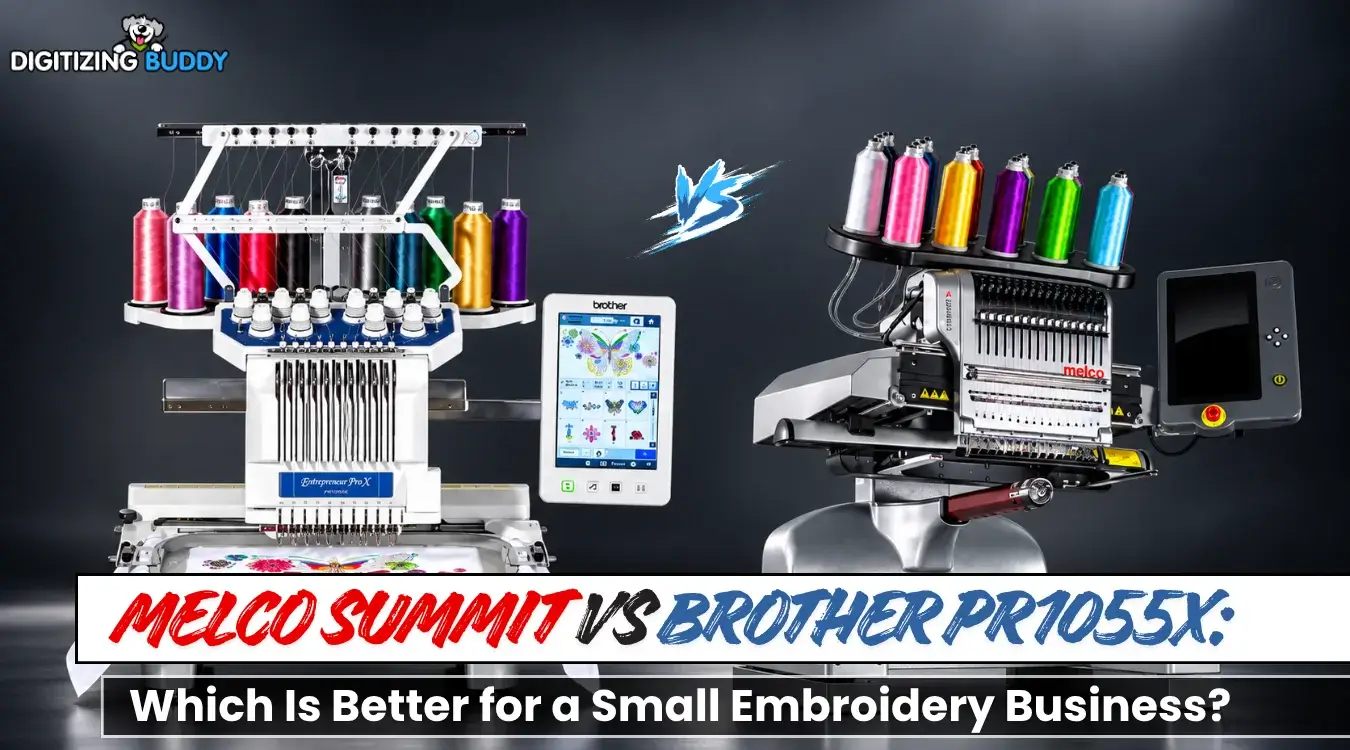
A growing embroidery business can reach a point where a single-needle machine no longer keeps up with daily orders. Melco SUMMIT vs Brother PR1055X compares two multi-needle machines built for very different production needs.
The SUMMIT is a 16-needle commercial machine, while the PR1055X uses 10 needles and fits many small and home-based shops. Brother has also discontinued the PR1055X in the U.S., so buyers may now find it used or through remaining dealer stock.
This blog compares speed, stitch quality, caps, hoops, workflow, maintenance, price, and file needs. It also helps you see which setup fits your workload.
Whichever machine earns a place in your shop, production still starts with the stitch file. Our quality embroidery digitizing service prepares clean, machine-ready designs built for smoother runs from the first sew-out.
- Melco SUMMIT vs Brother PR1055X at a Glance
- Embroidery Quality and Stitch Control
- Speed, Needle Capacity, and Production Output
- Hoop Size and Garment Versatility
- Cap Embroidery Performance
- Touchscreen, Positioning, and Daily Workflow
- Noise, Workspace, and Maintenance
- Purchase Price and Long-Term Business Cost
- Digitizing Files for Melco and Brother Machines
Melco SUMMIT vs Brother PR1055X at a Glance
The two machines serve different levels of embroidery production. The SUMMIT offers more needles, higher speed, and a larger sewing field. Meanwhile, the PR1055X focuses on camera-based placement and a simple workflow.
| Feature | Melco SUMMIT | Brother PR1055X |
|---|---|---|
| Needles | 16 | 10 |
| Maximum flat speed | 1,500 SPM | 1,000 SPM |
| Maximum embroidery area | 16.1 x 15.5 in. | 14 x 8 in. |
| Thread control | Acti-Feed automatic thread feed | Manual tension |
| Positioning | Laser | Camera and scanning system |
| Display | 10.1-inch HD touchscreen | 10.1-inch LCD |
| Caps | Wide-angle commercial system | Optional cap-frame systems |
| Connectivity | Wi-Fi, LAN, network workflow | Wi-Fi and USB |
| Current U.S. status | Current | Discontinued |
What Stands Out
- Melco gives growing shops more production room and 16-thread color flexibility.
- Brother gives operators strong camera-based positioning and on-screen editing tools.
The PR1055X is discontinued in the U.S., while the SUMMIT remains current. Because of this, buyers should compare features and long-term availability before choosing.
Want to see both machines from a real owner’s point of view? This quick video compares the Melco SUMMIT and Brother PR1055X in a small business embroidery setup.
Embroidery Quality and Stitch Control
Neither machine can fix a weak design file on its own. Clean results still depend on good digitizing, firm hooping, the right stabilizer, needle, thread, speed, and fabric control.
What Affects Stitch Quality?
Key factors include:
- correct stitch density
- stable hooping and backing
- proper needle and thread choice
- balanced thread feed or tension
- suitable machine speed
Poor setup can cause gaps and divots, puckering, thread breaks, or rough small lettering.
How Their Stitch Control Differs
The SUMMIT uses Acti-Feed to control thread delivery automatically. It also lets operators adjust presser-foot height for different material thicknesses. This supports steady stitching during production.
Meanwhile, the PR1055X uses manual thread tension. However, its built-in camera and full-area scanning help with design placement and visual alignment.
So, Melco focuses more on thread delivery and production control, while Brother adds stronger visual placement tools. Quality digitizing remains important on either machine.
Speed, Needle Capacity, and Production Output
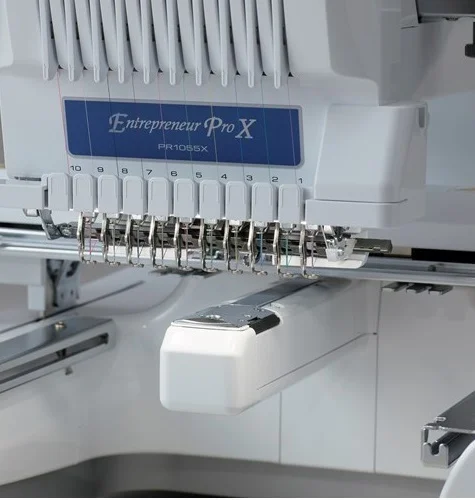
Speed and needle count affect how many jobs a shop can finish each day. The SUMMIT uses 16 needles and runs up to 1,500 stitches per minute on flat work. With the wide-angle driver, its top speed is 1,200 SPM. More needles also let operators keep more thread colors loaded, which can cut setup time between jobs.
Brother PR1055X Production Speed
The PR1055X uses 10 needles and reaches up to 1,000 SPM on flat frames. For cap frames, 400 to 600 SPM. It also changes colors automatically across the ten loaded needles.
Why Maximum Speed Is Not the Whole Story
However, top speed does not always mean faster production. Small lettering, long satin stitches, cap seams, specialty thread, or difficult fabric may need a slower setting. A smooth run often saves more time than pushing the machine too fast and stopping for thread breaks or poor stitch quality.
Hoop Size and Garment Versatility
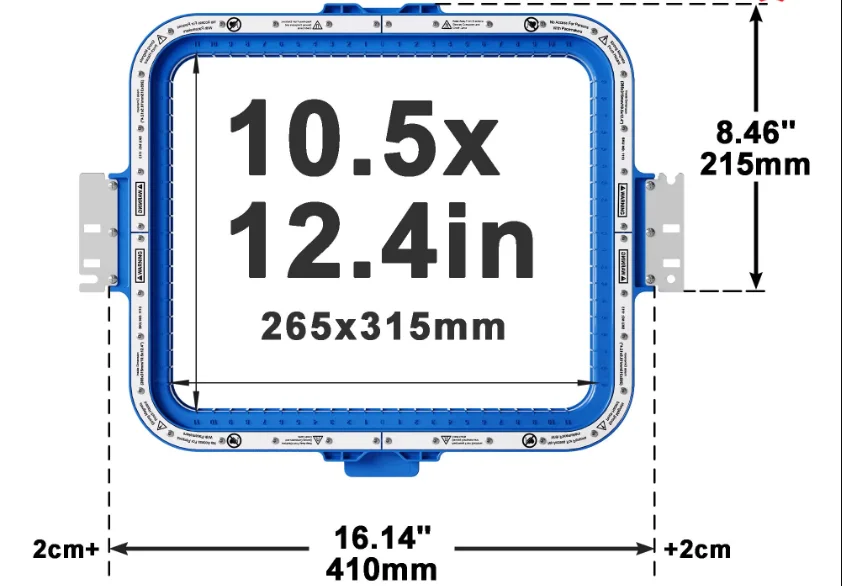
Hoop size affects the type of jobs a shop can accept. The SUMMIT offers a maximum 16.1 x 15.5 inch sewing field, which gives more room for jacket backs, large logos, bags, and sweatshirt designs.
Meanwhile, the PR1055X has a 14 x 8 inch maximum area. Brother includes 14 x 8, 5 x 7, 4 x 4, and 1.5 x 2 inch frames, giving shops useful choices for both large and small jobs.
Garments You Can Embroider
Both machines can handle:
- polos and sweatshirts
- pockets and sleeves
- tote bags and patches
- baby items and tubular garments
However, Melco’s compact rounded lower arm gives easier access to narrow openings such as pockets, sleeves, baby clothes, and some hard-to-hoop items. Accessories like the Fast Clamp Pro add even more flexibility.
Cap Embroidery Performance
Some PR1055X owners report registration issues, but these are individual experiences, not a problem every machine will have.
Cap embroidery can reveal issues that flat garments may hide. The SUMMIT uses a 14.1 x 3.25 inch wide-angle cap field and reaches 1,200 SPM with its wide-angle driver. Its cap system gives about 270 degrees of access around the crown.
Brother PR1055X Cap Setup
The PR1055X supports optional cap systems. Its flat-brim frame provides a 5 x 2 5/8 inch area, while Brother lists cap speeds from 400 to 600 SPM.
What Matters in Production
However, cap results depend on setup and digitizing. Center seams and fabric movement can hurt registration. Designs may need center-out or bottom-up sequencing, pull compensation, and controlled density. 3D puff needs planning.
Touchscreen, Positioning, and Daily Workflow
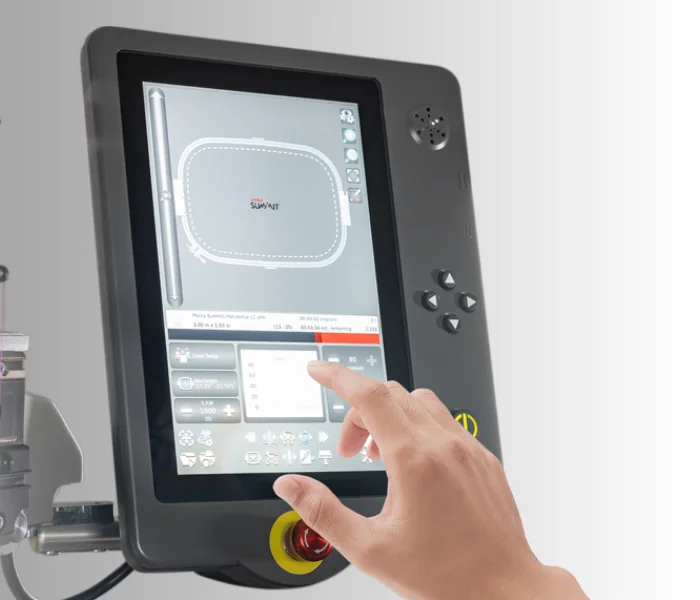
Daily workflow can matter as much as sewing speed. The SUMMIT uses a 10.1 inch HD touchscreen with laser positioning, design tracing, automatic thread sequencing, Acti-Feed control, and barcode scanning. It can also load network-stored files and settings, helping shops repeat jobs with fewer setup steps.
How Brother Handles Placement
The PR1055X also has a 10.1 inch display, but its workflow centers more on visual placement. Its built-in camera can show the design over the fabric, while high-speed scanning lets users preview the full embroidery area before stitching.
Meanwhile, wireless LAN supports My Stitch Monitor and PE-DESIGN 11 integration. This makes Brother useful for custom placement work. Melco, however, puts more focus on repeat jobs, saved settings, barcode loading, and production automation.
Noise, Workspace, and Maintenance
Neither maker gives a directly comparable operating noise rating for these two machines, so it is safer not to claim one is always quieter. In a real shop, noise and vibration can change with stitch speed, stand strength, floor type, hoop movement, and the design being sewn.
Maintenance Needs
Brother tells PR1055X owners to oil the hook once each day before use. It also recommends one drop of oil on the lower needle-bar felt washer every 40 to 50 hours of sewing.
Meanwhile, the SUMMIT tracks maintenance by time or stitch count. Its screen shows when service is due and can guide the operator through each step.
A stable stand, regular cleaning, and timely oiling can also reduce vibration, noise, and avoidable downtime.
Purchase Price and Long-Term Business Cost
The purchase price is only the starting point for a business. Melco currently lists the SUMMIT from $17,495 in the U.S., with online training included. Brother still shows the PR1055X at $20,799.99, but it is discontinued, so used and dealer prices can vary.
Costs Beyond the Machine
Before buying, add the cost of:
- cap frames and extra hoops
- stand or cart
- software and training
- shipping and financing
- service and replacement parts
Also check warranty coverage and local repair access.
However, long-term cost also depends on production. A faster machine may finish more jobs each day, while downtime can erase savings from a lower price. Because of this, compare total ownership cost, workload, support, and the accessories your shop will use.
Digitizing Files for Melco and Brother Machines
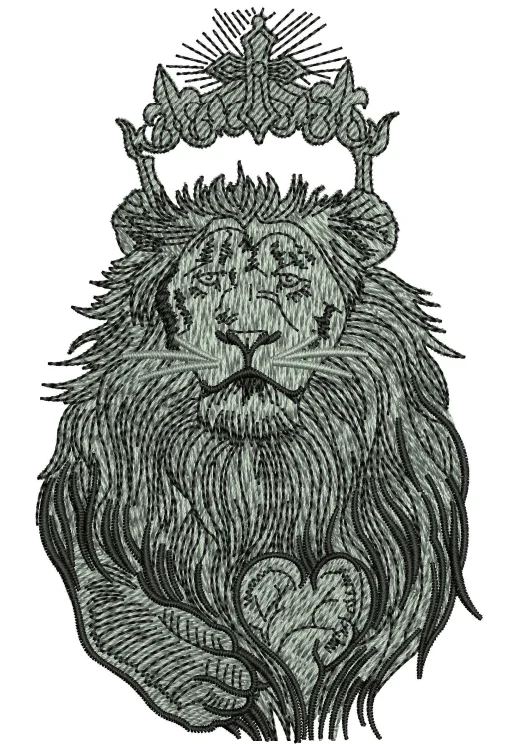
The basic digitizing rules stay the same, but the machines use different file formats and workflows. The SUMMIT supports OFM version 9 and newer, ARTX, EXP, and DST. The PR1055X supports PES, PHC, and DST.
What the Digitizer Should Plan For
A good file should match more than the machine. It should also match:
- design size
- fabric and placement
- cap or flat use
- density and underlay
- pull compensation
- stitch direction and sequence
- trims and jumps
- small lettering or 3D puff
- practical sewing speed
However, very fine density or three or more overlapping stitch layers may cause thread or needle breaks.
A DST file can load on both machines, but that does not make it right for every job. Digitizing Buddy builds files around the garment, size, and setup, helping shops move from artwork to cleaner sew-outs with fewer avoidable corrections.
The Better Fit for Different Small Business Workflows
The better choice depends on how your shop works each day. Order volume, garment type, design size, and placement needs matter more than price alone.
When the SUMMIT Fits Better
The SUMMIT may suit shops that handle:
- higher daily production
- frequent cap orders
- larger embroidery designs
- more thread colors
- difficult garments
- plans to grow production
Its 16 needles, larger sewing field, and commercial workflow support busy shops that want more room to scale.
When the PR1055X Fits Better
Meanwhile, the PR1055X can still work well for:
- personalized orders
- smaller production runs
- camera-based placement
- home-based embroidery
- buyers considering a used machine
Its camera and scanning tools are useful for precise placement on custom items.
So, match the machine to your real workload, space, order type, and growth plans rather than choosing by price alone.
Final Verdict
The SUMMIT offers more production power with 16 needles, higher speed, a larger sewing area, and stronger support for busy cap and commercial work. The PR1055X still gives small shops a capable 10-needle setup with useful camera tools, easy placement, and a simpler custom-order workflow.
The better choice depends on your order volume, design size, cap work, workspace, budget, and plans for growth. A new commercial setup and a used discontinued model also bring different costs and support needs.
Whichever machine fits your shop, strong results still start with the right stitch file. Send your artwork to Digitizing Buddy for clean, production-ready embroidery digitizing and get a free quote for your next job.
FAQs
Yes, especially for shops that expect higher order volume or want room to grow. It has 16 needles, speeds up to 1,500 SPM, a large sewing field, and a commercial cap system. These features can support repeat orders and wider product choices.
It can still suit a small shop if you find a well-maintained used or remaining-stock machine at the right price. However, Brother now lists the PR1060W as its replacement, so buyers should also consider future service, parts, warranty, and dealer support.
The SUMMIT offers more commercial cap-production capacity with its wide-angle cap system and higher operating speed. The PR1055X also supports cap embroidery, but Brother lists its cap sewing range at 400 to 600 SPM. Proper hooping and cap digitizing remain important on both machines.
Yes. DST is supported by both systems. However, the SUMMIT also supports OFM, ARTX, and EXP, while Brother workflows support formats such as PES and PHC. A shared DST file may still need adjustment for the garment, hoop, density, trims, or cap setup.
Not by itself. More needles let you keep more thread colors loaded and can reduce color-change setup during production. Stitch quality still depends on the digitizing, thread control, hooping, stabilizer, needle choice, fabric, and machine settings.