
Finding a digitizing service that looks reliable but delivers inconsistent embroidery can be frustrating. This is especially true for large orders, where one bad file can ruin dozens of items and waste time, thread, and fabric.
Embroidery digitizing turns your logo or design into a stitch file that an embroidery machine can read. This file tells the machine where to stitch, what type of stitch to use, and how the design should sit on the fabric. Auto-digitizing software might work for a quick job, but it often misses details, just like a phone camera on auto mode.
Best Embroidery Digitizing Service, on the other hand, treat your design like a skilled photographer handles a shot. They adjust every detail for the fabric, size, and stitch type, ensuring your embroidery looks clean and polished.
Keep reading to learn what makes a digitizing service trustworthy and how choosing the top digitizing service can save you money, time, and frustration.
- What to Look for in a Embroidery Digitizing Service for bulk Projects?
- Which Software Do Top Digitizers Use for Bulk Orders?
- How is Auto Digitizing Different from Manual Embroidery Digitizing?
- Who Are the Top Digitizing Services for Bulk Embroidery Projects?
- What's the Most Common Embroidery File Format?
- Why Experience Matters for Bulk Projects?
- How to Check a Digitizing Service’s Portfolio?
- Balancing Cost and Quality in Digitizing Services
- Start Small: Why Test Orders Are a Smart Move?
What to Look for in a Embroidery Digitizing Service for bulk Projects?
When comparing digitizing services for bulk projects, focus on these key points:
- Manual digitizing expertise
- Knowledge of fabric, size, and placement
- Clean stitch planning
- Clear communication and revision support
- File compatibility and production readiness
Manual Digitizing Skills
Manual digitizing matters because automated tools often miss fine details. A skilled digitizer knows how to control stitch direction, density (the amount of thread used in a given area), and order so the design stitches neatly.
Knowledge of Fabric, Size and Placement
Knowledge of fabric type, size, and placement is just as important. A cap design does not behave the same way on a polo, a jacket, or a tote bag. Good digitizers adjust the file based on the item.
Clean Stitch Planning
Clean stitch planning helps the machine run smoothly. This includes underlay , pull compensation, and stitch flow. Better planning means fewer thread breaks and cleaner results.
Clear Communication and Revision Support
It also matters in bulk work. You need a service that responds quickly, explains changes clearly, and supports repeat orders without confusion.
File Compatibility and Production Readiness
Finally, file compatibility and production readiness are essential. The service should provide the correct file format for your machine and deliver a file that runs well across the full order.
Which Software Do Top Digitizers Use for Bulk Orders?
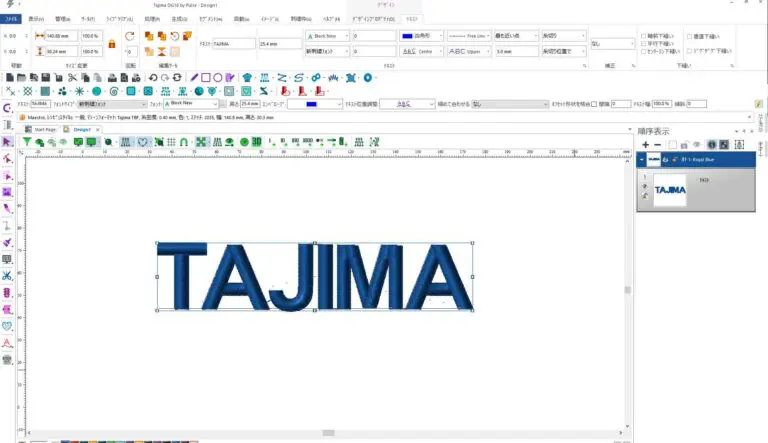
The software used for embroidery digitizing plays a big role in the final result, especially for bulk orders. When a design has to run well on many items, the file needs to be clean, accurate, and easy for the machine to read. Good embroidery digitizing software helps digitizers control every part of the design so it stitches smoothly and looks professional.
Some of The Most Common Software Used By Professionals Includes:
- Wilcom: Wilcom is known for strong editing tools, detailed stitch control, and features made for high-quality commercial embroidery work.
- Pulse: Popular for professional production because it supports clean design building, editing, and machine-ready file output.
The Right Software Helps With:
- Better design accuracy, so logos and text stitch the way they should
- Stronger quality control, especially on detailed or complex designs
- Smoother handling of bulk orders, where consistency matters on every piece
In simple terms, good software gives digitizers better control. That control leads to cleaner embroidery, fewer mistakes, and better results on large orders.
How is Auto Digitizing Different from Manual Embroidery Digitizing?
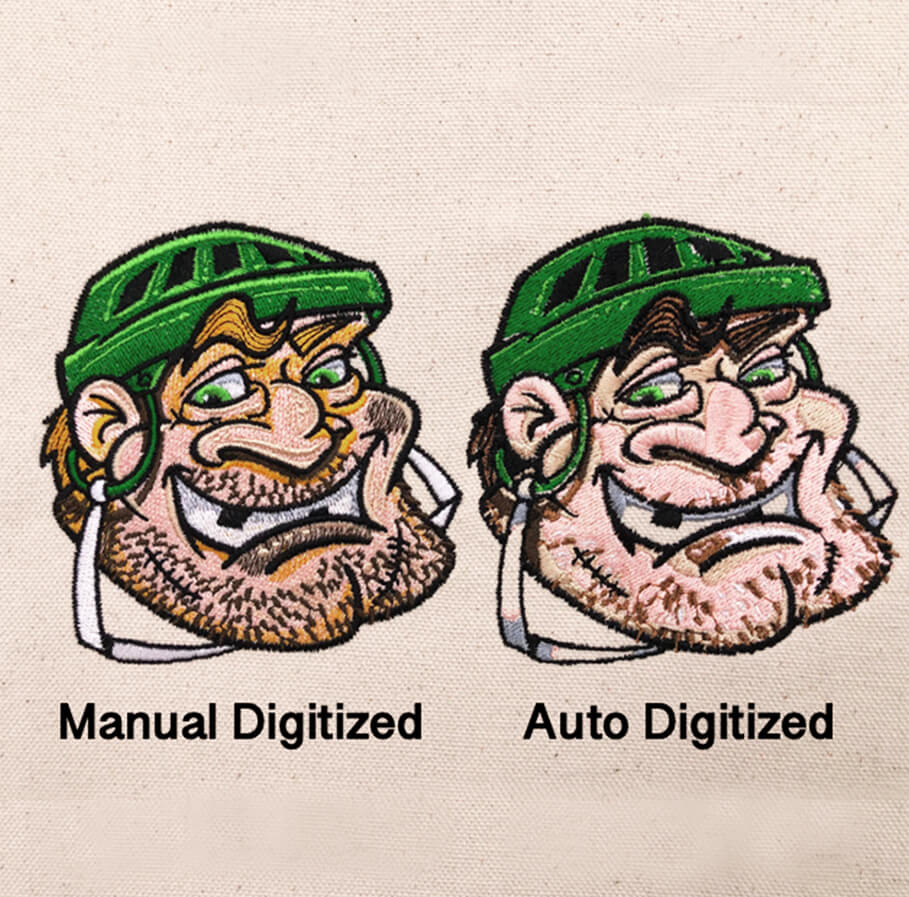
Auto digitizing uses software to quickly convert artwork into stitches, but it often misses details. Best digitizing is done by an expert, giving better control, cleaner results, and smoother production.
Here’s a Quick Comparison:
| Features | Auto Digitizing Software | Manual Digitizing Software |
|---|---|---|
| Design accuracy | Looks good on screen, but misses fine details. | Usually more accurate because stitches are placed with purpose. |
| Stitch Quality | Can look rough or uneven on real fabric. | Usually cleaner, smoother, and more polished when stitched. |
| Fabric adjustment | Limited understanding of fabric type, stretch, and thickness. | Can be adjusted for caps, polos, jackets, patches, bags, and more. |
| Small text and detail | Often struggles with tiny letters and narrow shapes. | Better for small text, sharp edges, and detailed logos. |
| Complex designs | May create too many stitches or poor stitch paths. | Handles layers, direction, density, and sequencing more effectively. |
| Bulk project performance | Risky for large orders because small errors repeat many times. | Better for bulk work because it supports consistency and fewer production issues. |
| Machine efficiency | May cause extra trims, thread breaks, or slow stitching. | Usually runs smoother because the file is built for production. |
Who Are the Top Digitizing Services for Bulk Embroidery Projects?
There is no single best company for everyone, but a few services stand out as strong options to compare for bulk embroidery work.
Digitizing Buddy
Sometimes being searched as Buddy Digitizing, is a U.S.-focused digitizing provider that offers embroidery digitizing and vector artwork conversion. Service offerings involve free quotes, free edits, a full refund guarantee, 24/7 customer support, and quick turnaround time.
What sets it apart is its strong customer service pitch and broad coverage of items like hats, towels, patches, and 3D puff embroidery.
Want a closer look at Digitizing Buddy before choosing a service? Embroidery Legacy tested the service and shared their experience with the digitizing quality, turnaround, and overall workflow.
For your next logo or bulk embroidery project, Digitizing Buddy provides a simple way to get a production-ready file with revision support when needed.
Absolute Digitizing
Absolute Digitizing is another major name, especially for buyers who want a more structured ordering system. Services include 24/7 live chat, a money-back guarantee, free quotes, and free edits. With 20 years of experience and serving a global clientele, Absolute has a larger market footprint than many smaller shops.
What makes Absolute different is the way it blends support, tracking, and fast turnaround into one service model.
Cool Embroidery Designs
Cool Embroidery Designs is a bit different from the others because it offers stock embroidery designs along with custom embroidery digitizing and vector conversion. The company promises a 15-day free editing period, and its files are created to run directly on embroidery machines.
That makes it a practical option for buyers who want both ready-made designs and custom work in one place.
Eagle Digitizing
Eagle is also an option. It offers free quotes and revisions, live customer service, and urgent orders. Its biggest strength is a long market presence and a broad service appeal for buyers.
PRO Digitizing
Po rounds out the shortlist well. Served more than 60,000 customers since 1998, uses U.S.-based artists in San Diego, and offers sales and support by phone, text, and email. It stands out for its long track record and U.S.-based positioning.
What’s the Most Common Embroidery File Format?
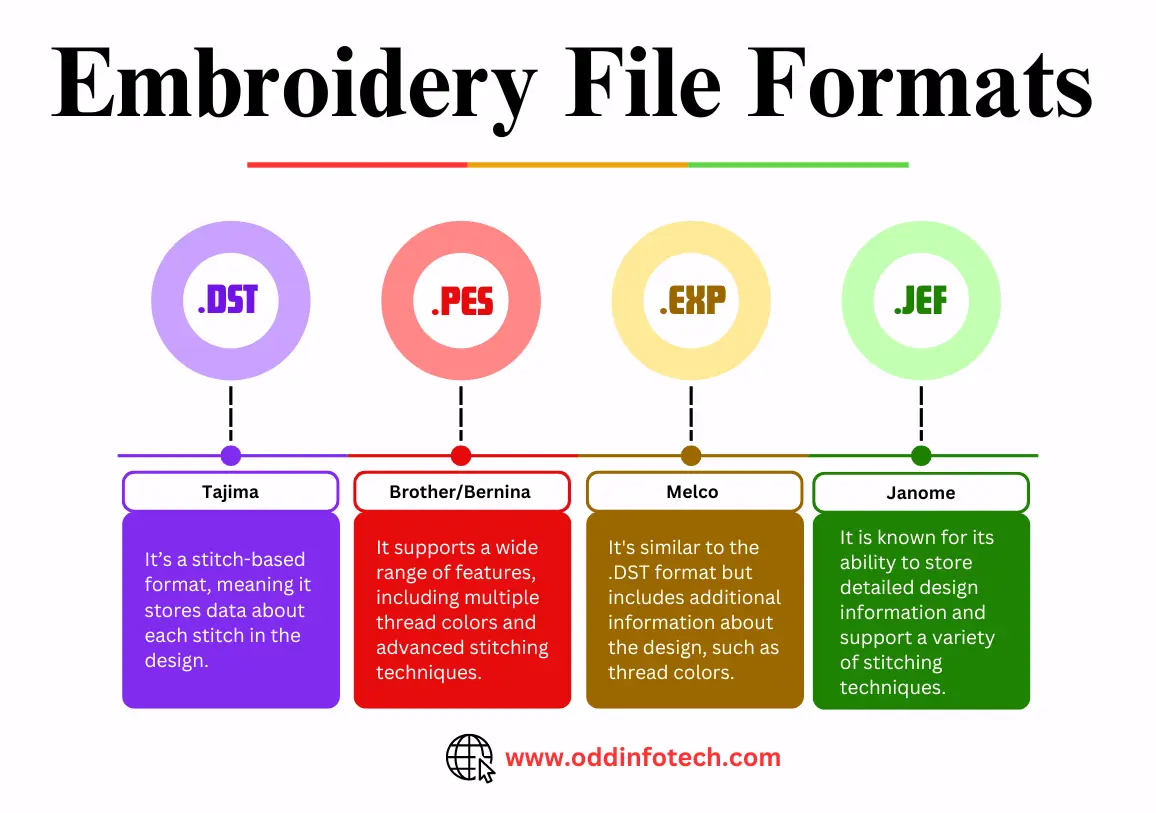
Embroidery file formats matter because your embroidery machine can only stitch what it can read. A brilliant digitized design is useless if the file format is wrong. That is why a professional digitizing service should always ask what machine you use or what format your embroidery shop requires before final delivery.
The Most Common Formats You Will Hear About Are:
- DST: This is one of the most widely used file formats in the embroidery industry, especially for commercial embroidery. Many shops request DST because it works across a wide range of machines and is easy to run for production.
- PES: This format is common across many home and small-business machines, especially among brands that use it as a standard workflow. It is popular for hobbyists and small shops.
- EXP: Depending on the machine brand, certain commercial systems and software setups also use and support this format extensively.
Why Experience Matters for Bulk Projects?
Experience matters in bulk embroidery because one small mistake in an embroidery file can repeat across every item in the order. A skilled digitizing service knows how to prepare files that run smoothly, hold their shape, and stay consistent from start to finish.
“Properly digitized embroidery designs reduce thread breaks, machine stops, and production errors during embroidery runs.” — Embroidery Trade Association
Experienced services help prevent common problems like
- Thread breaks
- Uneven stitching
- Puckering on fabric
- Messy small text
- Distorted logos
- Gaps in satin stitches
They also know how to adjust designs for different fabrics, sizes, and placements. That means fewer machine stops, less waste, and better-looking results.
Inexperienced digitizing services may rely too much on auto-digitizing or skip important adjustments. The design may look fine on screen, but it stitches badly in production. In bulk projects, this can lead to ruined garments, delays, extra costs, and unhappy customers.
How to Check a Digitizing Service’s Portfolio?
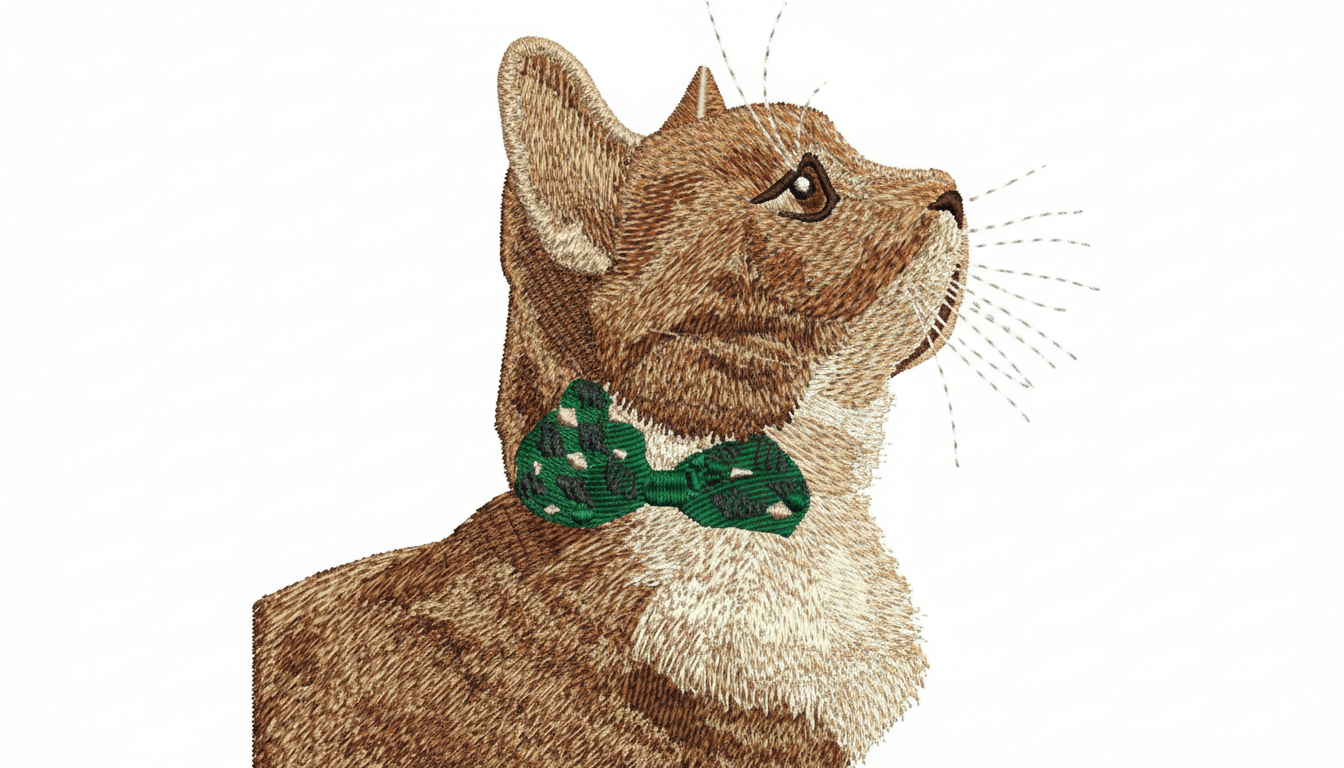
A portfolio tells you a lot about a digitizing service before you spend any money. It helps you see if the company can produce clean, best quality embroidery and handle different types of designs.
When Reviewing A Portfolio, Look For:
- Clean lines and smooth edges
- Clear and precise stitching
- Neat small text
- Balanced fills and satin stitches
- A variety of designs, fabrics, and placements
A strong portfolio should show more than just simple logos. It should include caps, shirts, patches, jackets, or other real embroidery examples.
So, this step matters because the portfolio shows real skill. If possible, ask for close-up samples of digitized designs. That gives you a better idea of quality, consistency, and whether the provider can be trusted with a bulk order.
“High-quality embroidery digitizing depends on proper stitch direction, density, and underlay to ensure the design runs cleanly on embroidery machines.” — Wilcom documentation
Balancing Cost and Quality in Digitizing Services
Going with the cheapest digitizing service can backfire. Low prices sometimes mean rushed files, poor stitch quality, weak small text, or late delivery. In bulk orders, those problems can lead to wasted garments, delays, and extra revision costs.
To balance cost and quality, compare what you actually get for the price. Check turnaround time, revision policy, portfolio quality, and how responsive their support is. A service that costs a little more can be the better deal if the files stitch cleanly and stay consistent.
Quality digitizing saves money in the long term by reducing errors, embroidery machine stops, and rework. For bulk projects, value is not just the lowest price. It is the lowest risk.
Start Small: Why Test Orders Are a Smart Move?
A test order is a smart way to check a new digitizing service before placing a large bulk order. It helps you see how the file stitches in real production and whether the provider can deliver the quality they promise.
When reviewing the sample, look for clean stitching, accurate design shape, neat small text, and smooth edges. Also, pay attention to turnaround time and whether the file is ready to run without problems.
A test order also shows how the company communicates, handles questions, and responds to changes. That makes it easier to judge their reliability before you trust them with a bigger project.
If you’re looking for a reliable option for bulk projects, “Digitizing Buddy” is the best digitizing service. Our services include free edits, 24/7 customer support, and guaranteed satisfaction or a full refund, along with fast turnaround and quality-focused service. Contact now to Get a Free Quote!
FAQs
Why does my embroidery design look good on screen but stitch badly on fabric?
A screen preview can hide problems. If the file is not digitized for the right fabric, size, or stitch settings, the design may stitch poorly.
Is auto-digitizing good enough for bulk embroidery projects?
Usually not; bulk orders need better control, cleaner stitching, and fewer mistakes.
What should I check before paying more for a digitizing service?
Check the portfolio, turnaround time, revision policy, file quality, and customer support. A higher price can be worth it if the service gives better results.
What should I look for in a test order before placing a large order?
Look for clean stitching, smooth edges, clear small text, and accurate design shape. Also check delivery speed and how the provider communicates.
Key Takeaways
- The best embroidery digitizing service uses manual digitizing for better stitch control.
- Experienced digitizers adjust designs based on fabric type, size, and placement.
- Clean stitch planning reduces thread breaks and embroidery machine stops.
- Checking a portfolio helps verify real embroidery quality.
- Test orders help confirm production readiness before bulk runs.